
By Sabrina Nash, Director of Operations, Supported Living
As the national conversation turns towards ending rough sleeping, IHCM believes that providing a safe place to live is only part of the solution. For people experiencing mental health difficulties, the right support, stability and opportunities to rebuild their lives can be equally important.
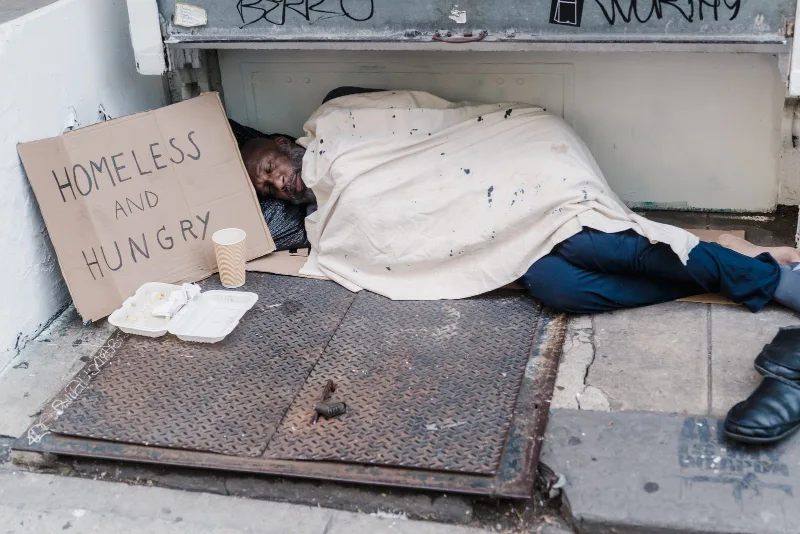
Rough sleeping and mental ill health are closely connected. For some people, existing mental health conditions, combined with challenges such as relationship breakdown, unemployment, financial difficulties or a lack of appropriate support, can contribute to homelessness. For others, the experience of sleeping rough can itself trigger or worsen mental health difficulties.
Living without a safe and secure place to call home can have a profound impact on emotional wellbeing. Anxiety, depression, trauma and feelings of isolation can become part of everyday life. The constant uncertainty of where to sleep, how to stay safe and where to access basic necessities can make it incredibly difficult to focus on recovery or plan for the future.
For people already living with complex mental health conditions, these challenges can be particularly significant.
Breaking the Cycle
Ending rough sleeping requires more than access to accommodation. It also means recognising the underlying factors that may have contributed to homelessness and ensuring people can access the right support to achieve lasting stability.
Without appropriate mental health care, practical assistance and opportunities to develop independence, people may remain vulnerable to repeated periods of homelessness.
A joined-up approach involving housing providers, mental health services, local authorities and community organisations is therefore essential.
The Role of Supported Living
At Integrated Healthcare Management Group (IHCM), our supported living services focus on helping people with mental health conditions, learning disabilities, autism and associated complex needs to live as independently as possible, with support tailored to their individual circumstances.
We recognise that independence means different things to different people. For some, it may mean learning to manage their own home, develop daily living skills or build confidence in social situations. For others, it may involve maintaining their mental health, developing positive relationships or taking steps towards education, volunteering or employment.
Our approach is centred on the individual, recognising their strengths, aspirations and the progress they want to make.
Support can include:
- Mental health and emotional wellbeing: Helping people maintain stability, recognise changes in their wellbeing and access appropriate professional support.
- Developing everyday living skills: Supporting people with cooking, shopping, budgeting, household responsibilities and managing appointments.
- Building confidence and independence: Encouraging people to make informed choices, take responsibility and develop greater control over their daily lives.
- Community inclusion: Supporting people to build relationships, access local activities and develop a sense of belonging.
- Education, volunteering and employment: Helping people explore meaningful opportunities that support personal development and longer-term aspirations.
- Maintaining accommodation: Developing the practical skills and routines that can help people sustain a stable home.
Importantly, progress happens at each person’s own pace, with support adapting as their needs and level of confidence change.
A Pathway Towards Greater Independence
IHCM’s wider network of mental health hospitals, rehabilitation services, residential care and supported living provides opportunities to develop joined-up pathways for people with complex needs.
For individuals who require specialist treatment or more intensive support, the ability to move towards less restrictive settings as their needs change can be an important part of recovery.
Supported living can provide a vital next step, offering people the opportunity to develop independence while continuing to receive appropriate support.
Although supported living is not a direct replacement for emergency homelessness accommodation, it can form an important part of a longer-term pathway for people whose assessed needs make this type of provision appropriate.
More Than a Place to Live
A stable home provides the foundation for so much more than physical safety. It creates opportunities for recovery, meaningful relationships, improved wellbeing and a renewed sense of purpose.
As efforts to tackle rough sleeping continue, it is essential that mental health and specialist support services are recognised as part of the wider solution.
Ending rough sleeping is not simply about helping someone off the streets. It is about helping them build a future in which they can thrive.
Sabrina Nash
Director of Operations, Supported Living
Integrated Healthcare Management Group